

Dietary Restrictions to Plan For When Catering Events in Eureka, CA
When you cater an event in Eureka, CA, thinking through dietary restrictions up front keeps guests safe and lets everyone enjoy the food. Dietary restrictions are the limits or allergies guests report—like gluten sensitivity, lactose intolerance, nut allergies, vegetarian or vegan diets, and religious rules—and they affect what we put on the menu, how we prep food, and how we serve it. Handling these needs reduces health risks, improves guest satisfaction, and protects hosts from liability, all while keeping the bold Mexican flavors people expect. Below we cover the common restrictions to plan for, practical gluten-free and plant-based Mexican choices, cross-contamination safeguards, and the consultation and ordering steps local planners should follow. You’ll also find quick-reference tables that connect restrictions to swaps, an allergen-management matrix, and checklists for labeling and emergency planning. Read on for clear, usable guidance that balances authenticity with safe, inclusive catering in Humboldt County.
What Are the Most Common Dietary Restrictions for Catering in Eureka?
Dietary restrictions are the guest-reported needs that require menu, prep, or service changes. They matter because typical Mexican ingredients and preparation methods can hide allergens or excluded foods. At events in Eureka we most often see requests for gluten-free service (including celiac disease), dairy-free options, peanut and tree-nut allergies, vegetarian and vegan preferences, and religious dietary requirements like halal or kosher. Knowing these categories helps caterers choose corn- or legume-based dishes, skip dairy-heavy sauces, and prepare safe alternatives that still taste like Mexican food.
Here are the most common restrictions planners should address before finalizing a menu.
- Gluten-free / celiac: Guests need certified gluten-free masa and no wheat-based tortillas, batters, or hidden gluten in sauces.
- Dairy-free / lactose intolerance: Offer dairy-free cheeses and crema so guests can enjoy the same textures without lactose.
- Nut allergies (peanuts/tree nuts): Remove nut garnishes and avoid cross-contact with nut oils or sauces.
- Vegetarian / vegan: Provide plant-protein mains and dairy substitutes for guests who avoid meat or all animal products.
- Religious or ethical diets: Halal, kosher, or other rules need ingredient verification and separate handling.
These categories guide ingredient sourcing, prep separation, and labeling — the basics of safe Mexican-style catering.
Use this table as a quick map from restriction to workable substitutions. The sections that follow dive deeper into gluten-free and plant-based options so you can keep dishes authentic and safe.
Which Gluten-Free Options Are Essential for Safe Mexican Catering?
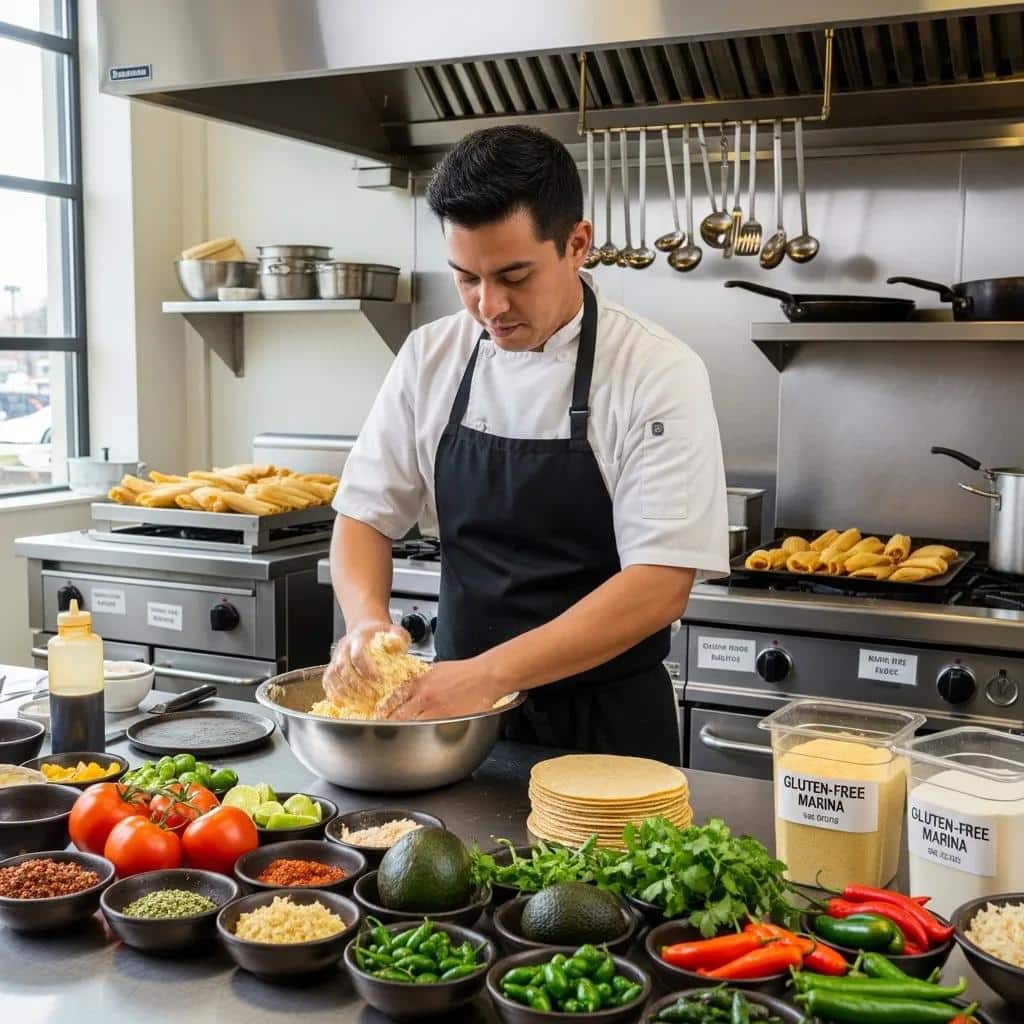
Gluten-free Mexican catering leans on corn-based staples plus careful label-checking to keep meals safe for guests with celiac disease or wheat intolerance. Corn tortillas, tamales made with certified masa harina, fresh salsas, and fillings like slow-cooked meats, beans, and roasted vegetables form a solid celiac-safe menu when sourced and handled properly. Watch for hidden gluten in marinades, soy sauces, spice blends, and thickened sauces — always verify suppliers and ingredient labels. To reduce cross-contact, set aside separate prep stations and equipment for gluten-free items, and mark dishes clearly at the service line so guests can spot safe options fast. These same steps make it easy to design plant-based dishes using the same corn-based foundation while leaving out dairy and animal proteins.
How Do Vegan and Vegetarian Diets Influence Mexican Catering Choices?

Vegetarian and vegan needs change the protein and dairy choices, and they’re a great chance to showcase Mexican flavors using beans, roasted vegetables, and smoky spices instead of meat. Popular plant-based proteins include slow-simmered beans, marinated and grilled mushrooms, braised jackfruit, and seasoned tofu or tempeh — all pair nicely with chiles, citrus, and fresh herbs. Dairy-free swaps like cashew crema or avocado-based sauces keep richness and texture without lactose. For mixed-diet events, set up clearly labeled stations and plate or package vegan items separately to avoid cross-contact. Next we’ll cover how a local caterer puts these options into practice with safety and customization.
With those substitutions in mind, consider how a local caterer operationalizes customization and allergen management for event menus.
How Does Esmeralda’s 2.0 Customize Catering for Special Diets in Eureka?
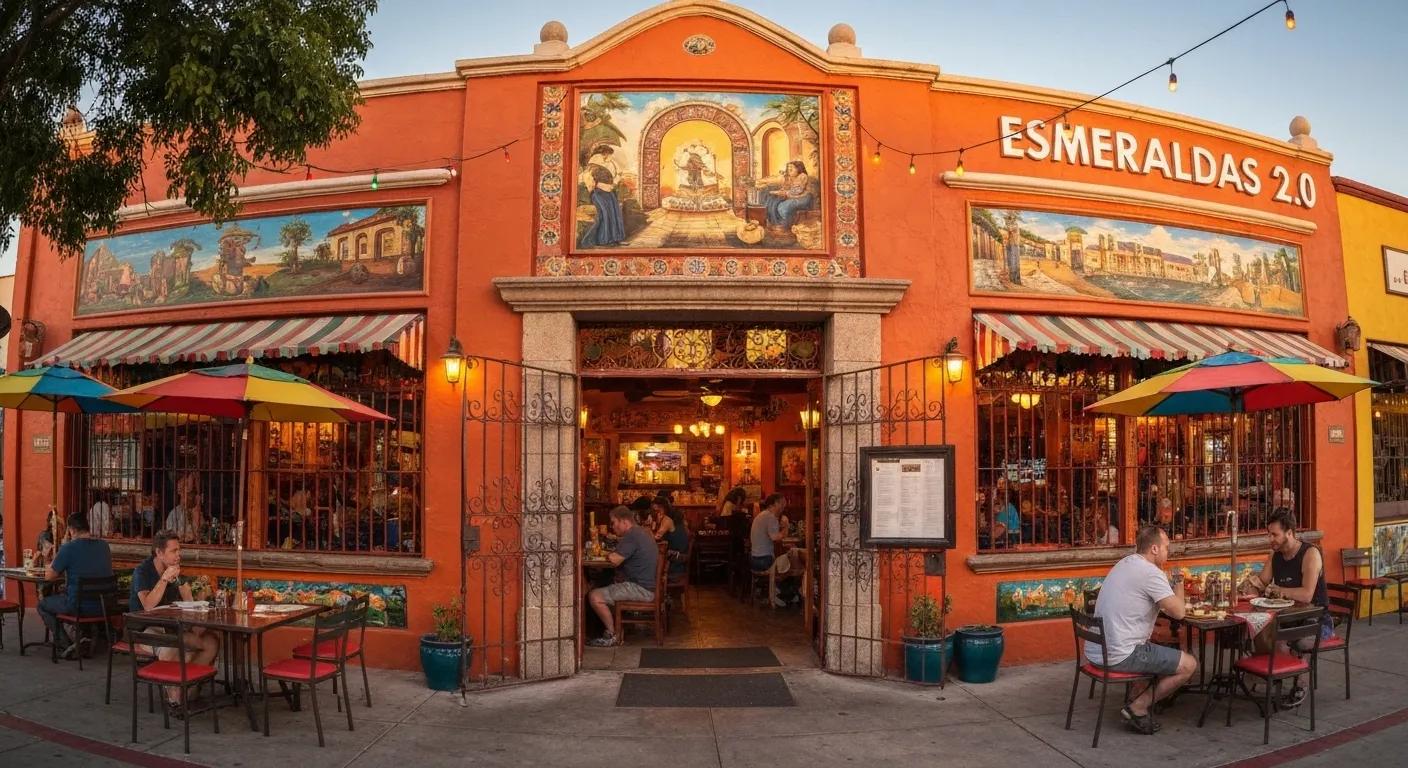
Esmeralda’s 2.0 follows a clear customization workflow and strict kitchen safety steps to accommodate gluten-free, vegan, dairy-free, and nut-free guests while keeping authentic Mexican flavor. We start with a consultation to record guest counts and dietary needs, then recommend menu items mapped to each restriction and explain how they’ll be prepared. In our kitchen we separate prep stations, label everything, and use standardized cleaning routines to reduce cross-contact. Sample menus focus on corn-based staples, plant proteins, and dairy-free sauces. If you’re looking for catering in Eureka and Humboldt County, Esmeralda’s 2.0 accepts online orders and consultation requests and prioritizes transparency and guest safety throughout the process.
This chart shows how we check each item for allergens and which prep steps or swaps we use. The next section explains the safety measures we follow to prevent cross-contamination.
What Safety Measures Prevent Cross-Contamination in Catering?
Preventing cross-contamination means setting physical and procedural controls from procurement through service. Key steps include dedicated prep areas for allergen-free items, color-coded utensils and cutting boards, separate storage for allergen-free ingredients, thorough cleaning between tasks, and staff briefings before events to review allergen handling. During transport we seal and label allergen-free trays to avoid mixing, and on-site we use clear signage and dedicated servers for restricted items. These practices keep guests safe and support how we manage nut-free and dairy-free offerings from ingredient choice to plating.
How Are Nut-Free and Dairy-Free Options Managed for Food Allergies?
Managing nut-free and dairy-free options blends ingredient swaps, strict segregation, and open communication. Nut-free menus use seed-based garnishes or skip crunchy toppings, avoid nut oils, and choose sauces without nut thickeners. Dairy-free dishes use plant-based cheeses and cremas made from soy, coconut, or approved substitutes as appropriate. Prep protocols include separate utensils and pans for dairy-free items, clear documentation of ingredient sources, and labeled packaging for each guest. We communicate clearly with clients about which items are safe and how they’re prepared, which simplifies on-site coordination.
Catering for Diverse Diets: Esmeralda's Customized Mexican Cuisine
Planners set events up for dietary success by following a simple timeline: collect guest dietary info, consult with the caterer, confirm the menu, and coordinate on-site communication to match the caterer’s safety protocols. Start by gathering dietary preferences and allergies during RSVP or registration, then schedule a detailed consultation to review guest totals, menu options, and any high-risk allergies. Ask for an allergen matrix and confirm preparation practices. Request labeled sample menus and agree on service plans, including separate stations and staffing for restricted items. These steps create a reliable chain of information from guest to kitchen.
- Provide complete guest dietary data: Share counts and specific allergies or restrictions so the caterer can shape menu proposals.
- Request detailed allergen documentation: Ask for ingredient lists and an allergen matrix mapping items to allergens.
- Confirm service logistics: Agree on separate stations, labeling, and staff roles for handling restricted items.
After the consultation, planners should receive finalized sample menus, a documented allergen matrix, and a service plan that includes labeling and staff assignments. Those deliverables support a safe catering experience and lead into sample menus that show how accommodations look in practice.
What Is the Consultation Process for Special Diet Catering?
A good consultation starts with the planner sharing guest totals and dietary flags. The caterer then proposes menu configurations that meet restrictions, and both parties confirm logistics like delivery time, service format, and labeling. Typical milestones include an initial inquiry, a tasting or sample review, and a final confirmation 7–14 days before the event depending on scale. The caterer provides menu PDFs or an allergen matrix as part of the package. During the consult, we verify ingredient sources and any certifications (for example, certified masa for gluten-free tamales) and document handling procedures to lower risk. Deliverables — menu samples, an allergen table, and a service plan — prepare everyone for safe execution.
Which Sample Menus Showcase Dietary Accommodations?
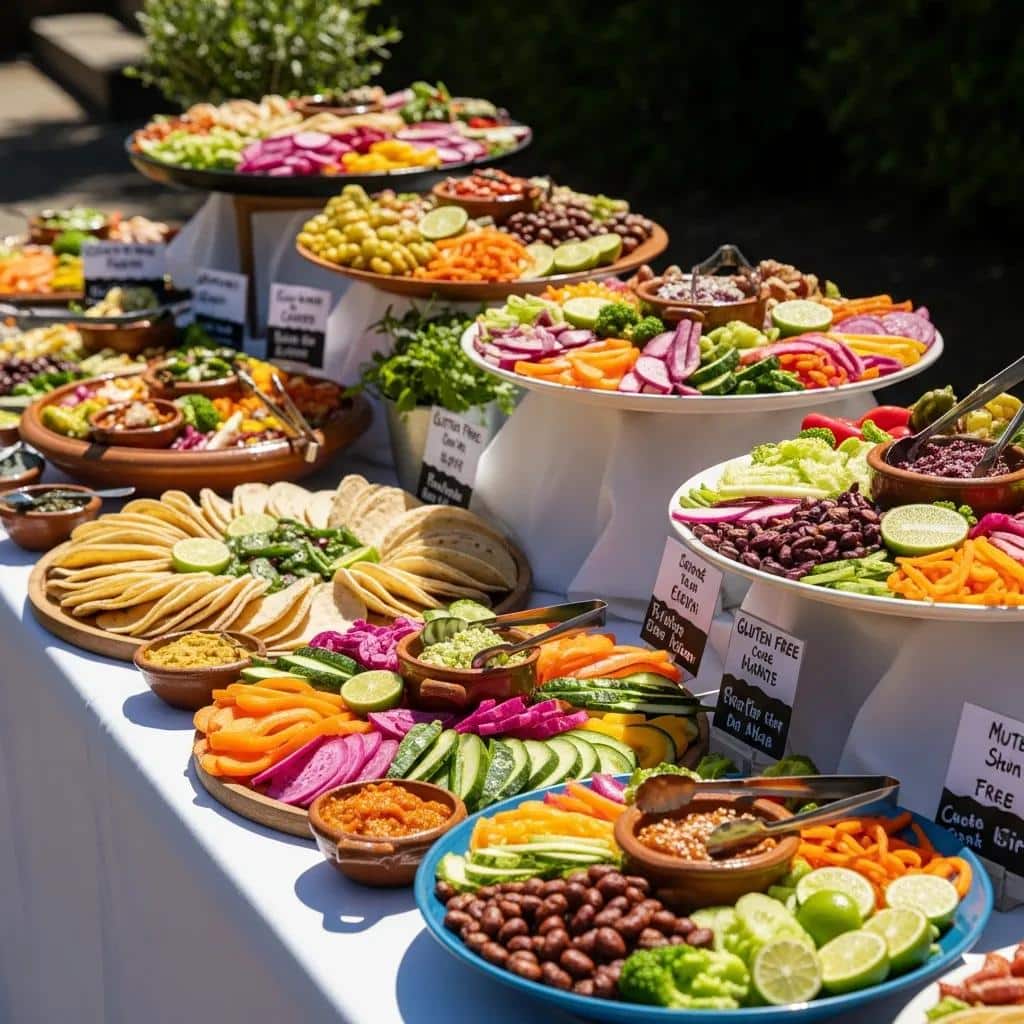
Sample menus that work well for events include a gluten-free taco bar, a vegan enchilada platter, and an allergen-labeled buffet. A gluten-free taco bar uses certified corn tortillas with separate protein and topping stations and clear allergen labels. A vegan enchilada platter features plant-based cheese and fillings like seasoned jackfruit or mushrooms. An allergen-labeled buffet lists major allergens beside each tray and uses dedicated serving utensils. Planners should request downloadable sample menus and an allergen matrix, confirm packaging for transport, and ensure on-site signage so guests can make safe choices.
Why Choose Esmeralda’s 2.0 for Catering Dietary Restrictions in Eureka?
Esmeralda’s 2.0 pairs authentic Mexican flavor with menu flexibility and local service across Eureka and Humboldt County, making us a strong choice for events that need dietary accommodations. We customize menus for gluten-free, vegan, dairy-free, and nut-free needs while documenting our prep protocols and sharing sample menus with planners. Esmeralda’s 2.0 reports a stated 99 percent guest satisfaction rate for corporate events where dietary needs were documented and managed — a sign that our approach works. Choosing a kitchen that knows regional event logistics and Mexican culinary techniques helps keep dishes authentic while making them allergy-safe and inclusive.
How Does Authentic Mexican Cuisine Meet Diverse Dietary Needs?
Many traditional Mexican staples — corn masa, beans, chiles, citrus, and fresh herbs — naturally fit dietary accommodations because they’re often gluten-free and vegetarian as prepared. Corn tortillas and tamales provide a gluten-free base, while slow-cooked beans, roasted vegetables, and spice blends add depth for vegetarian and vegan mains. Simple swaps, like avocado crema or toasted pepitas instead of cheese or nuts, keep texture and presentation while meeting restrictions. Using these building blocks lets caterers create menus that feel genuine and follow allergy-safe prep practices.
What Do Clients Say About Our Dietary-Friendly Catering Services?
Clients who ask for inclusive menus most often praise clear labeling, separate prep for allergen-free dishes, and flavorful plant-based options. Esmeralda’s 2.0 highlights a stated 99 percent guest satisfaction rate for corporate events where dietary needs were tracked and managed, reflecting consistent delivery on menu customization and service protocols. Organizers note timely consultations, usable allergen matrices, and the ability to keep authentic flavor while accommodating restrictions — feedback that confirms our transparent process works for events.
What Are Best Practices for Managing Food Allergies in Catering Events?
Managing food allergies well takes layered steps: clear guest communication, strict kitchen protocols, staff training, and emergency planning. Core practices include collecting dietary info ahead of time, using labeled packaging and buffet signage, keeping separate prep areas and equipment for allergen-free items, and training staff to follow allergen protocols during service. Add an allergen-response plan and make sure staff know emergency contact steps — together these measures reduce risk and improve guest safety.
- Collect and document dietary restrictions early: Use RSVP forms or registration tools to capture specifics and high-risk allergies.
- Implement physical segregation: Assign separate prep stations, storage, and serving utensils for allergen-free items.
- Label clearly and communicate on-site: Use visible signage and packaged labeling to inform guests and servers.
- Train staff and prepare emergency steps: Make sure the team knows protocols and has access to emergency information.
These steps form a dependable framework. The EAV table below maps stations and equipment to risk level and mitigation steps so teams can put cross-contamination prevention into practice.
This checklist helps teams make operational choices. The next section describes how cross-contact is prevented during real kitchen workflows.
How Is Cross-Contamination Prevented in a Catering Kitchen?
Stopping cross-contamination starts before ingredients are unpacked and continues through plating and transport. Key routines include receiving and storing allergen-free ingredients in labeled, separate containers; scheduling allergen-free prep earlier or in distinct areas; changing disposable gloves between tasks; and using color-coded utensils and containers tied to allergen categories. During service, sealed transport and dedicated serving utensils prevent accidental contact, and servers are briefed not to use the same tongs for mixed and allergen-free items. These practices lower operational risk and tie directly into labeling standards described next.
Which Allergens Are Most Common and How Are They Labeled?
Event menus should call out the top common allergens — peanuts, tree nuts, dairy, gluten (wheat), soy, eggs, and shellfish — and use clear labels that include icons and brief ingredient notes for each dish. For buffets, place printed cards beside items listing allergen presence; for plated service, add an allergen code on place cards or packaging with a key at the entrance. Keep labels concise and accurate, and update them if substitutions occur. Staff should carry a quick-reference allergen matrix to answer guest questions. Clear labeling builds guest confidence and reduces confusion during service.
How to Access Gluten-Free, Vegan, and Allergy-Friendly Catering Menus in Eureka?
To find dietary-specific catering in Eureka, contact local providers, request sample menus and allergen matrices, and confirm timelines for customization and delivery. Ask caterers for downloadable sample menus and documented allergen procedures, specify any required substitutions (for example, certified masa for gluten-free items), and confirm delivery and setup windows. When working with a local Mexican caterer, request clear communication about sourcing and cross-contact protocols so you can pass accurate information to guests. Below are practical steps planners should follow to request and confirm dietary-friendly catering.
- Request sample menus and an allergen matrix: Ask for downloadable or emailed documents listing ingredients and allergens.
- Confirm certified ingredients where needed: For celiac-safe service, verify certified masa products and carrier sauces.
- Set confirmation deadlines: Agree on an approval deadline so the kitchen has time to source special ingredients and plan prep.
After those steps, finalize your order and confirm on-site labeling and staffing. Esmeralda’s 2.0 accepts catering inquiries and online orders for Eureka and Humboldt County and can provide customized menus and documentation during the consultation.
Where Can You Find Gluten-Free Mexican Catering Options?
Gluten-free Mexican options are available locally when caterers use certified corn masa and keep gluten-free prep distinct from flour-based work. Ask caterers to certify their masa source, explain separation and cleaning routines used to prevent cross-contact, and provide an allergen matrix listing gluten-free items with any caveats. For events requiring strict celiac-safe measures, request written confirmation of ingredient sources and handling protocols ahead of time.
What Vegan Mexican Dishes Are Available for Catering Events?
Vegan Mexican catering can deliver satisfying dishes that keep traditional flavors through smart ingredients and presentation: think bean tacos, grilled vegetable fajitas, seasoned jackfruit carnitas, vegan tamales, roasted poblano and mushroom enchiladas, and citrus-marinated grilled corn with vegan crema. For events, consider plated vegan entrées, a dedicated vegan station at the buffet, or individually packaged vegan tamales to avoid cross-contact. Pair multiple plant proteins with bright salsas and fresh garnishes for variety and satiety, and label everything clearly at service.
If you’re ready to move forward, remember to collect dietary needs early and schedule a consultation so the caterer can deliver accurate menus and a safe, authentic experience. Esmeralda’s 2.0 offers local service from our Eureka location and supports online ordering and consultation requests to help planners meet guest dietary needs effectively.
Frequently Asked Questions
What should I do if a guest has multiple dietary restrictions?
If a guest has multiple dietary restrictions, share the full details with your caterer during planning. Include allergies, intolerances, and preferences so we can create a safe, customized dish. Label items clearly at the event so guests can find what they can eat without guesswork.
How can I ensure that my catering service is knowledgeable about dietary restrictions?
During the consultation, ask about the caterer’s experience with different dietary needs, ingredient sourcing, and cross-contamination protocols. Request documentation like allergen matrices and sample menus. A reliable caterer will be transparent and ready to show how they protect guests with allergies.
Are there additional costs associated with accommodating dietary restrictions?
Yes — specialized ingredients and separate prep can add cost. Certified gluten-free products or premium plant-based alternatives often carry a higher price, and separate preparation may increase labor. Discuss potential costs up front so your budget matches the level of accommodation you need.
What are the best practices for labeling food at events with dietary restrictions?
Use clear labels that identify common allergens and dietary categories (gluten-free, vegan, nut-free). Place labels next to every dish and include brief ingredient notes when possible. Color-coded labels or icons help guests scan quickly, and staff on hand to answer questions add an extra layer of confidence.
How can I prepare for unexpected dietary needs that arise on the day of the event?
Have a contingency plan: keep a few universally safe dishes on hand, like vegetable platters or simple salads, and make sure the team has access to ingredient lists. Train staff to handle last-minute requests and communicate with arriving guests about any new needs.
What role does staff training play in managing dietary restrictions during events?
Staff training is essential. Trained team members can explain menu items, recognize cross-contamination risks, and follow serving protocols. Regular training keeps everyone up to date on menu changes and allergen procedures, improving guest safety and satisfaction.
How can I evaluate the success of dietary accommodations after the event?
Collect feedback from guests via quick surveys or conversations. Ask about variety, taste, and whether dietary needs were met. Review any incidents to find areas for improvement. That feedback helps you and your caterer refine plans for future events.
Conclusion
Catering for dietary restrictions in Eureka, CA takes planning, clear communication, and reliable kitchen practices — and it pays off with safer events and happier guests. By understanding common needs and following proven prep and service protocols, caterers can serve authentic Mexican food that includes everyone. Esmeralda’s 2.0 demonstrates this approach with customizable menus and transparent processes. For your next event, contact us to build a menu that prioritizes both inclusivity and great flavor.