

How to Choose the Best Catering for Business Events: Practical, Friendly Tips
Good food makes meetings better. The right catering keeps guests satisfied, protects your budget, and removes stress on the day of the event. This guide walks you through how to evaluate caterers, plan menus that handle common dietary needs, and manage day-of logistics so your meeting, training, or gala goes off without a hitch. You’ll get a practical checklist for corporate events, menu planning tips for business lunches, and negotiation ideas to balance quality and cost. We’ll match service styles to event types, compare buffet, plated, and drop-off options, and highlight 2024 trends like sustainable catering and interactive food stations. Finally, we explain how working with local vendors and self-order tools can simplify repeat orders — and how Esmeralda’s 2.0 supports customizable Mexican catering for business events in Eureka and Humboldt County.
What Are the Key Factors to Consider When Choosing Corporate Catering?
Start by clarifying your event’s purpose, estimating attendees, and setting a realistic budget tied to a service style. Those three things — purpose, headcount, budget — determine whether boxed lunches, a buffet, or plated service is the right fit. Each choice changes staffing needs, setup time, and per-person cost. When you match catering style to the event’s tone and flow, you reduce waste and make guests happier. Below we break down how to define your event and why accurate guest and budget estimates matter.
How to Define Your Business Event Type and Purpose
Decide what your event is mainly for — sharing information, networking, celebrating, or training — then pick a service model that supports that goal. A training session often works best with drop-off or boxed lunches so people can stay seated and focused. A product launch benefits from interactive stations that encourage mingling. Choosing the right style early also clarifies AV needs, equipment, and timing for food service. This reduces last-minute changes and makes staffing and layout planning easier when we talk guest counts and budgets next.
Why Estimating Guest Count and Budget Is Essential
Guest count and budget turn your plan into concrete ordering and portion decisions. Start with an RSVP buffer (usually 5–10%), factor in popular dietary options, and convert headcount to portions using simple rules for breakfasts, lunches, and receptions. Setting a per-person budget early helps you compare quotes fairly and trade service elements when you need to control costs — for example, swapping plated service for a curated buffet. Good estimates prevent under-ordering and last-minute rushes and help you plan for extras or late arrivals.
Different event types require different service styles, guest counts, and budget expectations:
This quick comparison helps you narrow service styles by group size and budget and sets expectations for staffing and setup that we cover in the logistics section.
How Do You Plan the Perfect Menu for Business Event Catering?
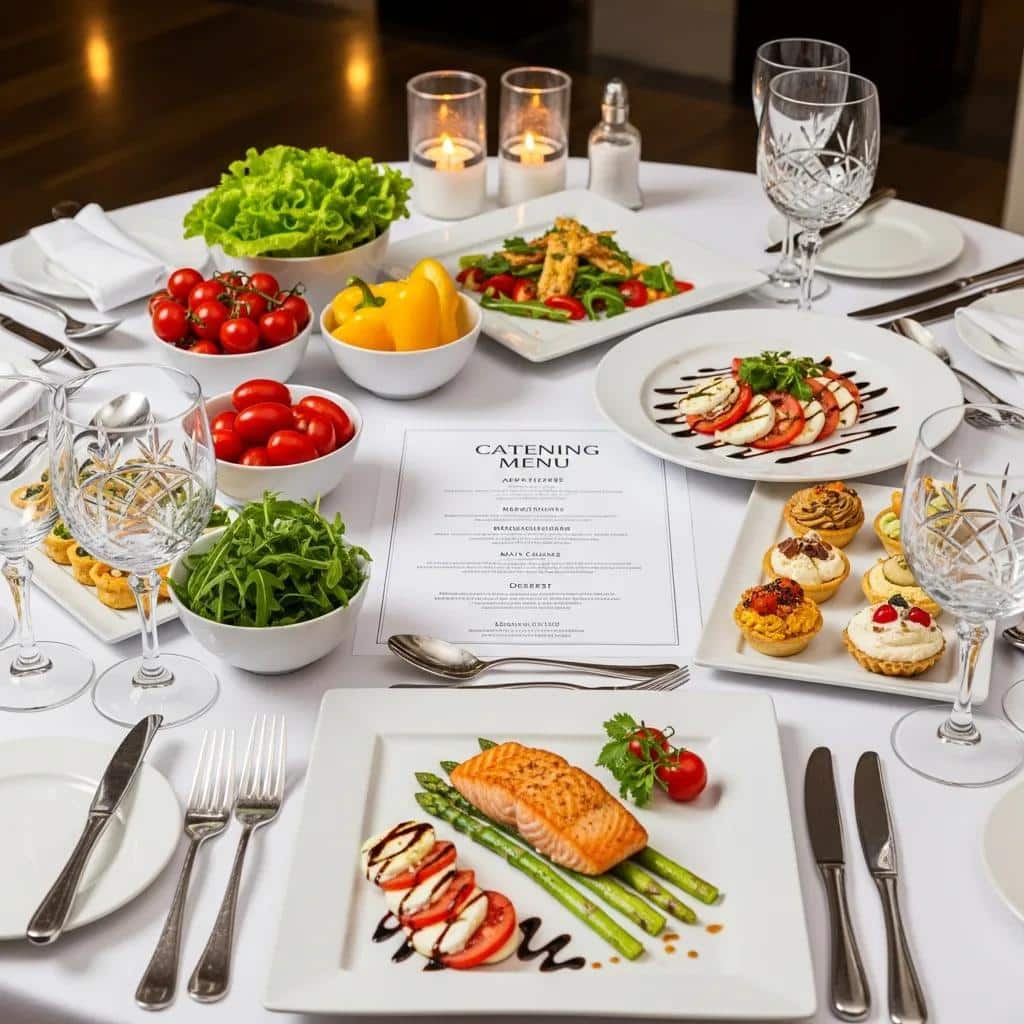
Start menu planning by balancing crowd-pleasing favorites with clear, labeled options for dietary needs. Align portions and timing with your chosen service style: shareable bites work for receptions, composed plates suit seated dinners, and boxed meals keep working sessions on track. Consider pacing — appetizers before presentations, boxed lunches for training, or two-course meals for formal events — and schedule tastings so quality and portion sizes meet expectations. Below we cover how to handle dietary needs and why Mexican catering often fits business gatherings well.
How to Accommodate Dietary Restrictions and Preferences
Handling dietary restrictions means collecting needs early, labeling food clearly, and offering easy substitutions that don’t compromise presentation or portions. Ask about dietary needs at RSVP, offer at least two protein choices (including plant-forward), and list allergens on menus and labels. Put clear signage at stations and on boxed meals, and assign a staff member to manage special requests. Inclusive menus reduce stress for attendees and organizers and cut down on last-minute scrambling.
Why Mexican Cuisine Excels for Corporate Events
Mexican menus are naturally flexible: taco bars, customizable fajita trays, and shareable enchilada platters let guests build plates to their taste and dietary needs. These formats simplify portioning and speed service — ideal for networking receptions and casual business lunches. Locally prepared, authentic Mexican dishes also add welcome variety and familiar flavors that boost guest satisfaction. If you want a real example of customizable Mexican catering for business, Esmeralda’s 2.0 offers authentic feast-style menus, delivery, and consultation options plus a “Start Your Catering Order” path to begin planning.
Use this table to pick scalable, inclusive menu pieces that are straightforward for caterers to prepare and serve.
What Should You Look for When Evaluating Corporate Caterers?
When you evaluate caterers, check experience, reputation, food safety, and how well they communicate. A good caterer will share references for similar events, show clear contracts, offer tastings, and explain contingency plans for last-minute headcount changes. Confirm licenses and insurance where needed and ask about staffing ratios for your service style. The sections below show practical steps to vet vendors and help you prioritize what matters for your event.
How to Assess Caterer Experience, Reviews, and Reputation
Ask for references from past events like yours and look for honest third-party reviews. A reliable caterer can talk through past logistics and explain how they solved problems. Request sample menus, photos, and a tasting description so you can check consistency and portioning. Notice how they communicate — prompt replies, clear timelines, and detailed contracts are good signs. Local caterers in Eureka and Humboldt County who maintain a dedicated catering page and offer consultations make planning easier and show they work with business events regularly.
Catering and events have grown more complex, and professionals now wear more hats than ever to meet client needs.
Catering and Event Professionals: Competency Models for Business Events
As face-to-face meetings and events expanded into a major private-sector industry, catering became one of the largest budget items. Clients are more demanding and price-conscious, which shifted responsibilities for caterers and event planners. Today’s professionals often handle overlapping tasks across logistics, menu design, and service. The National Association for Catering and Events (NACE) has recognized this trend by coining “catering and events” to reflect the evolving role of the field.
A competency model for catering and event professionals using a modified Delphi technique, 2014
What Are the Different Service Styles: Buffet, Plated, and Drop-off?
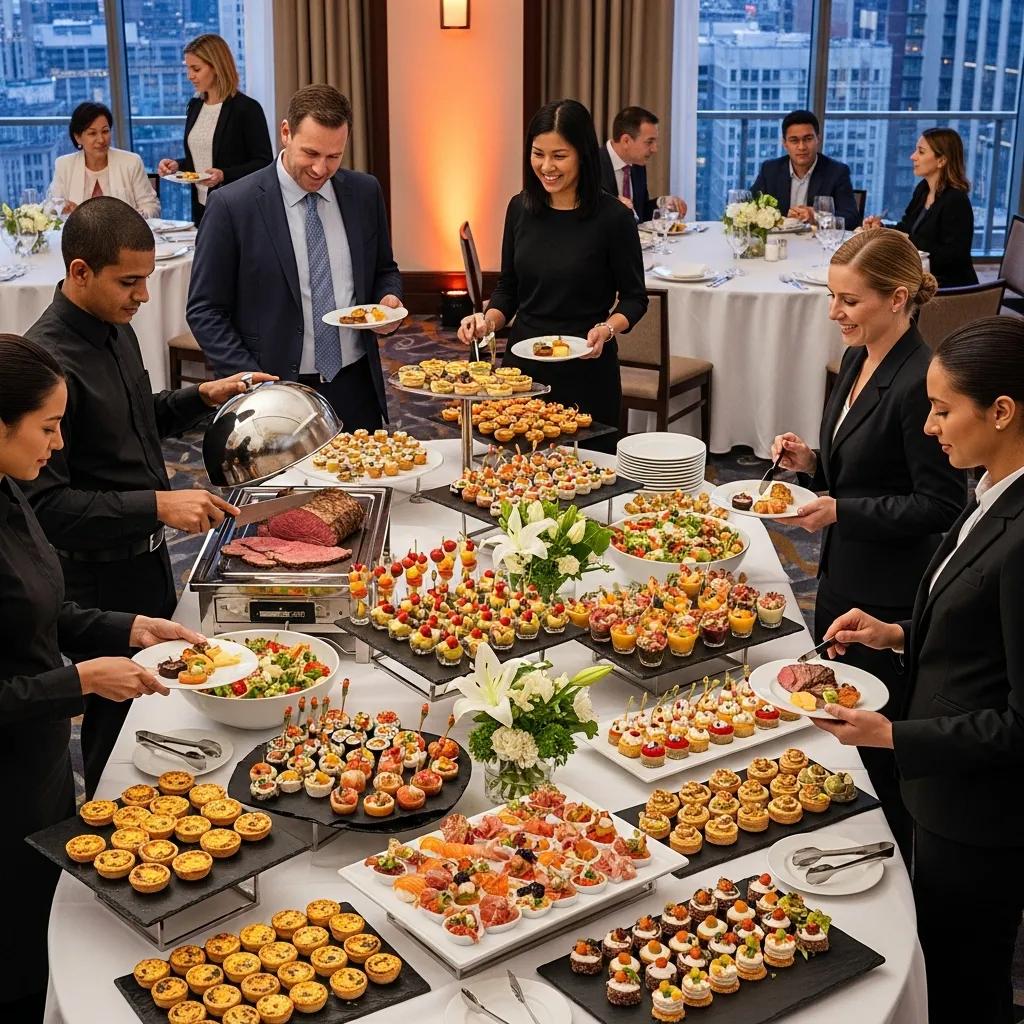
Buffet, plated, and drop-off each come with trade-offs in cost, staffing, and guest experience. Buffets scale well for large, informal gatherings and need moderate staff for replenishment. Plated service costs more and needs higher staffing and tight timing, but it raises formality and guest experience. Drop-off or boxed options cut on-site staffing and setup, making them budget-friendly for working sessions. Use the table below to compare features and pick the style that fits your goals.
How to Manage Logistics and Day-of Execution for Business Catering?
Make a clear day-of timeline that includes delivery windows, setup completion, food-holding instructions, service start/end times, and a single point of contact for last-minute decisions. Build contingency plans for extra guests, equipment hiccups, or dietary issues, and confirm cleanup duties in the contract. The sections below cover delivery and staffing expectations and show how presentation can raise perceived value.
What to Expect from Delivery, Setup, and Staffing Services
Delivery and setup vary by caterer and service style but usually include scheduled delivery windows, equipment setup (chafing dishes, stations), and staff for service and cleanup. For buffets, expect servers to manage replenishment; plated service needs more front-of-house staff for plating and clearing. Coordinate delivery with venue access, parking, and loading areas to avoid delays and keep food at the right temperature. Local caterers who offer consultations can match logistics to your venue, which simplifies planning for Eureka-area events.
How Presentation and Ambiance Impact Your Event Success
Presentation matters. Well-styled stations, clear signage, and consistent plating make the food feel like part of the event rather than just fuel. Small touches — labeled dietary indicators, attractive servingware, and logical station flow — reduce confusion and keep lines moving. Interactive stations like taco bars add energy and perceived value but need staffing plans to keep service smooth. Thoughtful presentation can turn catering into a memorable part of the guest experience.
What Are the Latest Corporate Catering Trends for 2024?
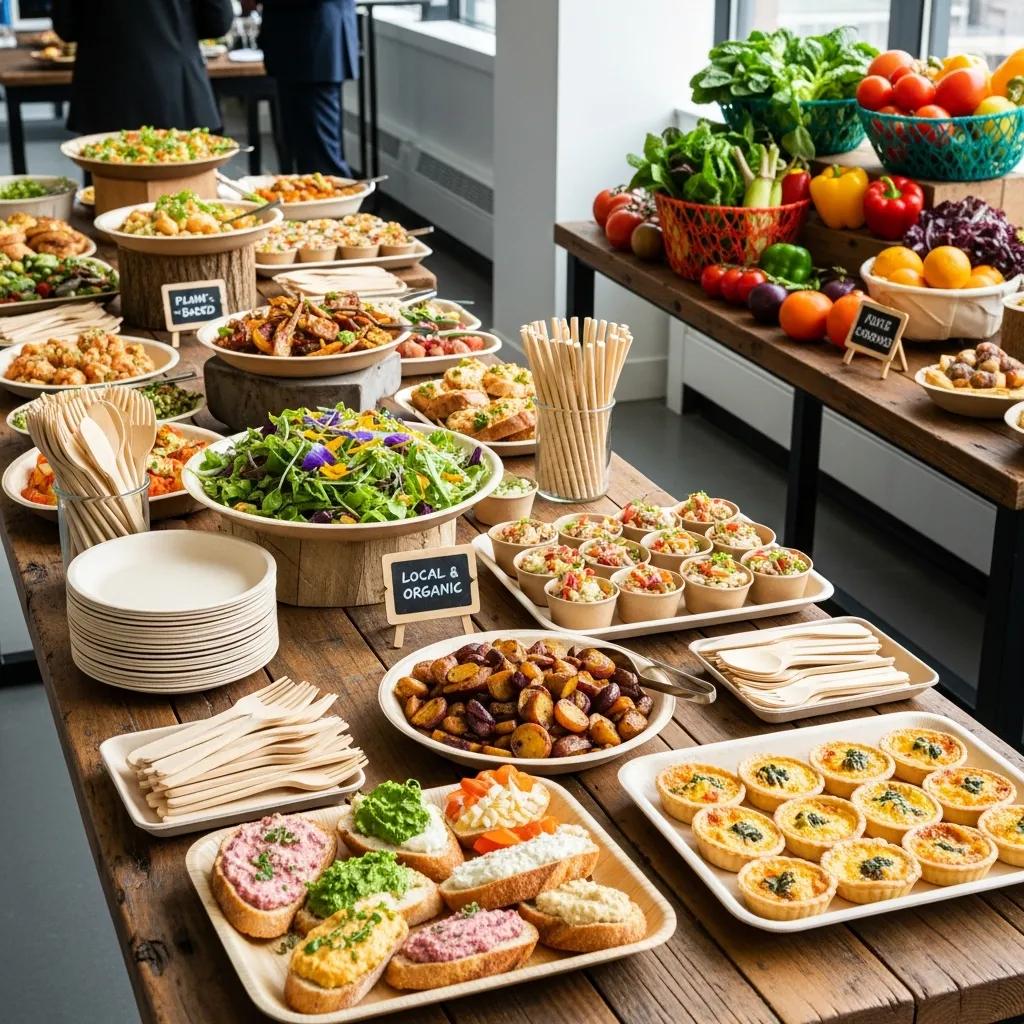
In 2024, planners are focusing on sustainability, inclusive menus, and tech that simplifies ordering for recurring business needs. Expect more local sourcing, plant-forward options, and reduced packaging to support ESG goals. Interactive stations and self-order tools help engagement and operations, making them popular choices for modern events. The following sections explain the upside of local sourcing and why interactive, inclusive formats are on the rise.
How Sustainable and Locally Sourced Menus Benefit Your Event
Locally sourced menus taste fresher, lower your event’s carbon footprint, and support corporate social responsibility. Ask caterers about sourcing, seasonal menu choices, and packaging strategies so you can weigh environmental impact and cost. Local suppliers often mean shorter lead times and better traceability, which can improve flavor and guest perception. Discuss suppliers and seasonal swaps with your caterer to build a menu that supports quality and sustainability goals.
Why Inclusive Menus and Interactive Food Stations Are Popular
Inclusive menus and interactive stations give guests choice and control, reduce the chance of unmet dietary needs, and create moments for conversation. Formats like build-your-own taco bars, curated tasting platters, and customizable bowls let hosts serve diverse preferences without overly complicating kitchen work. These setups also highlight local or sustainable ingredients and add perceived value to your event.
- Focus on local sourcing and reduced packaging.
- Offer plant-forward and allergen-aware menu options.
- Use self-order systems to streamline recurring corporate orders.
These trends help planners create events that feel modern, efficient, and aligned with corporate values.
How Can You Book and Customize Catering with Esmeralda’s 2.0?
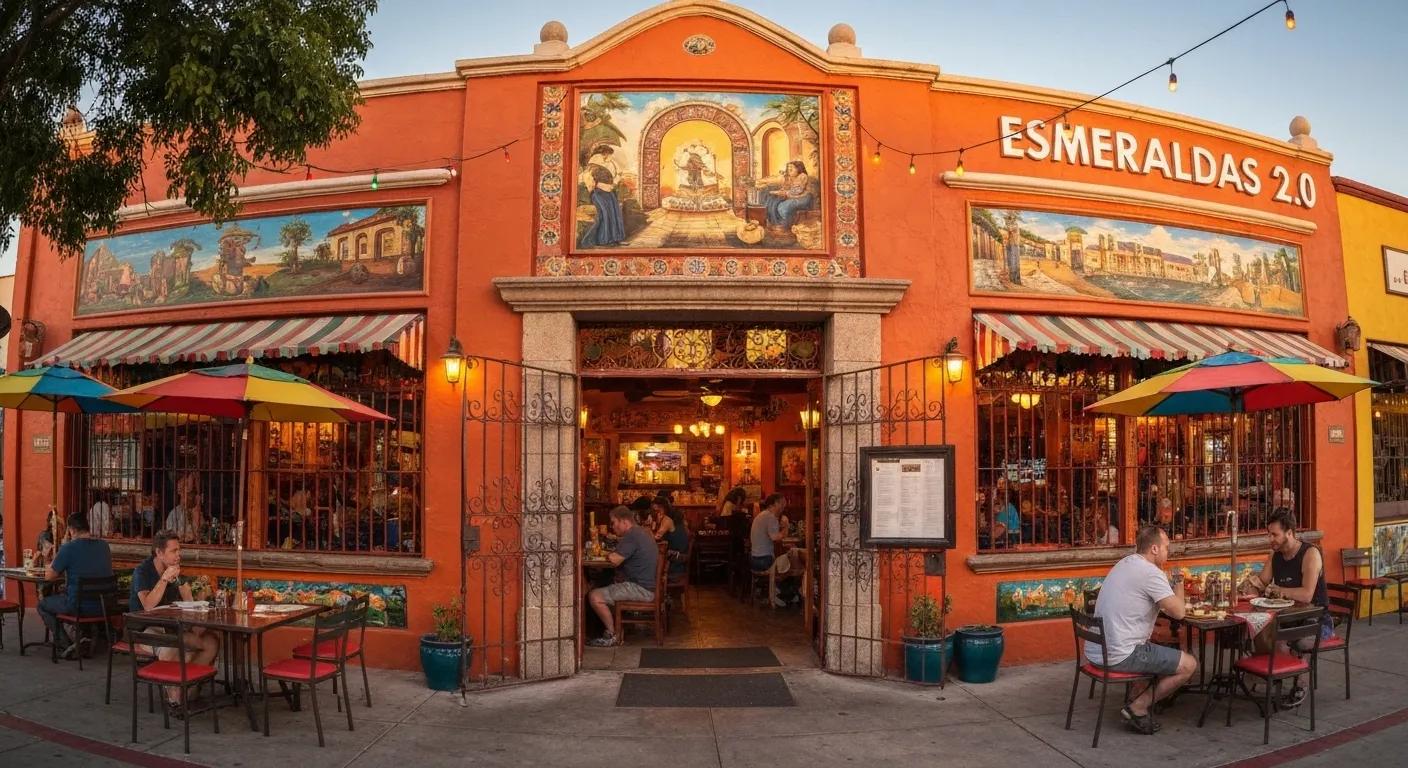
Esmeralda’s 2.0 is a local Mexican restaurant in Eureka, CA, that caters corporate events across Eureka and Humboldt County. We specialize in authentic Mexican feast-style catering with customizable menus, delivery, and consultation options. Booking starts with a consultation to set menu preferences, portioning, and delivery or setup details so the service matches your event and dietary needs. For a straightforward next step, Esmeralda’s 2.0 offers a “Start Your Catering Order” CTA to begin planning and request specifics.
What Are the Benefits of Personalized Catering Consultations?
Personal consultations help fine-tune portions, menu fit, and dietary compliance by matching kitchen capacity to your headcount, timing, and service style. Consultations let you preview menu suggestions, discuss tastings, and confirm delivery or setup so the caterer prepares the right equipment and staff. For corporate clients, this reduces waste and keeps budgets on track by clarifying where to spend for presentation versus bulk service. Esmeralda’s 2.0 offers consultation booking to make these steps easy for local businesses.
How to Use Self-Order Options for Flexible Business Catering
Self-ordering is great for routine business needs. It lets planners pick quantities, schedules, and menu items quickly without a long back-and-forth. Self-order works well for recurring lunches or regular office deliveries where consistency and speed matter. Pair a consultation for one-off or complex events with self-order for repeat needs to get both flexibility and precision. Esmeralda’s 2.0 lists self-ordering as a catering feature and points customers to the “Start Your Catering Order” path for simple bookings.
- When to use consultation: For large events, complex diets, or formal service needs.
- When to use self-order: For recurring lunches, simple drop-offs, and routine office orders.
- Combining both: Use a consultation the first time or for complex events, then switch to self-order for repeat orders.
Use these features to reduce planning time while making sure each event’s food service meets expectations.
Frequently Asked Questions
What are the benefits of using local caterers for corporate events?
Local caterers bring fresher ingredients, lower transport costs, and support your community. They usually know local venues and tastes, so service tends to be faster and more personalized. That local knowledge can make logistics smoother and the food feel more familiar and relevant to attendees.
How can I ensure food safety during a corporate catering event?
Verify your caterer follows safe food-handling practices and maintains proper temperatures for hot and cold items. Ask about food-safety certifications and staff training, and confirm that preparation areas and serving utensils are clean. Clear communication about dietary needs helps avoid cross-contamination and keeps guests safe.
What should I include in a catering contract?
A good contract lists the menu with pricing, service style, portion sizes, and the expected guest count. It should spell out delivery and setup times, staffing and cleanup responsibilities, payment terms, cancellation rules, and contingencies for guest-count changes. Clear terms prevent misunderstandings and give you a plan if things change.
How can I incorporate sustainability into my catering choices?
Choose caterers who work with local farms, use seasonal produce, and favor compostable or reusable serviceware. Ask about packaging, portioning, and plant-based options to reduce waste and environmental impact. Sharing your sustainability goals with the caterer lets them suggest menu and service tweaks that fit your values.
What are some creative menu ideas for corporate events?
Interactive stations — like build-your-own taco bars or slider stations — encourage mingling and let guests customize their meals. Themed menus tied to the event or local flavors add personality. Mix global flavors or small tasting plates to surprise attendees, and always include options for common diets so everyone feels included.
How can technology improve the catering experience for corporate events?
Online ordering and self-order systems simplify booking and let you manage quantities and repeat orders easily. Digital tools speed communication with caterers and help handle last-minute changes. RSVP and ordering apps also help estimate food needs more accurately, reducing waste and stress.
Exceptional Corporate Catering for Unforgettable Business Events
Picking the right corporate catering comes down to matching menu, service, and logistics to your event’s goals and guests. When you plan with clear counts, budgets, and the right service style, food becomes a smooth, memorable part of the day. If you’re planning a business event in Eureka or Humboldt County, consider Esmeralda’s 2.0 for customizable Mexican catering — start your catering order today and let us help you make the food a highlight of the event.