

Eureka CA Catering Services vs. National Chains: Why Choose Local Mexican Catering for Your Event?
Deciding between a neighborhood caterer and a national chain for an event in Eureka comes down to three practical questions: does the food feel authentic, will the service run smoothly, and does your spending help the local community? This guide shows why local Mexican caterers often deliver bolder flavor, more adaptable service, and clearer value—from business lunches to weddings. You’ll learn how local sourcing and scratch cooking improve taste and food safety, why thoughtful customization matters for allergies and preferences, and how pricing compares once hidden fees are considered. We also cover the trends shaping Humboldt County catering in 2024—from interactive taco bars to compostable packaging—and where regional providers consistently outpace chain options. Along the way we contrast typical chain practices with local strengths, share real customization examples, and point to booking paths if you’re ready to request a quote.
What Are the Key Benefits of Choosing Local Catering in Eureka, CA?
Local catering in Eureka centers on fresh, place-driven ingredients, menus that bend to your needs, and logistics tuned to the area—so your event day has fewer surprises. Catering teams who work with nearby farms and make dishes from scratch produce clearer, more memorable flavors and can adjust portions, timing, and service style for your crowd. Those practical differences translate into happier guests and smoother setup compared with rigid chain packages. Local providers also travel shorter distances inside Humboldt County and tend to build closer working relationships with planners, which cuts logistical friction. Knowing these benefits helps event buyers prioritize taste, flexibility, and community impact when picking a caterer.
This section lists the primary advantages before we dig into economic impact and ingredient quality in the next parts.
Local catering delivers clear benefits for events in Eureka:
- Fresh, locally sourced ingredients that boost flavor and food-safety predictability.
- Custom menus and flexible service models shaped around your event.
- Quicker, more reliable local logistics and hands-on problem solving.
- Direct economic benefit to the Eureka community when dollars stay local.
These points explain why local providers are often the best fit for planners who value authenticity and responsiveness.
Those advantages lead to two important outcomes: stronger local economies and tastier, more reliable meals.
How Does Local Catering Support the Eureka Community and Economy?
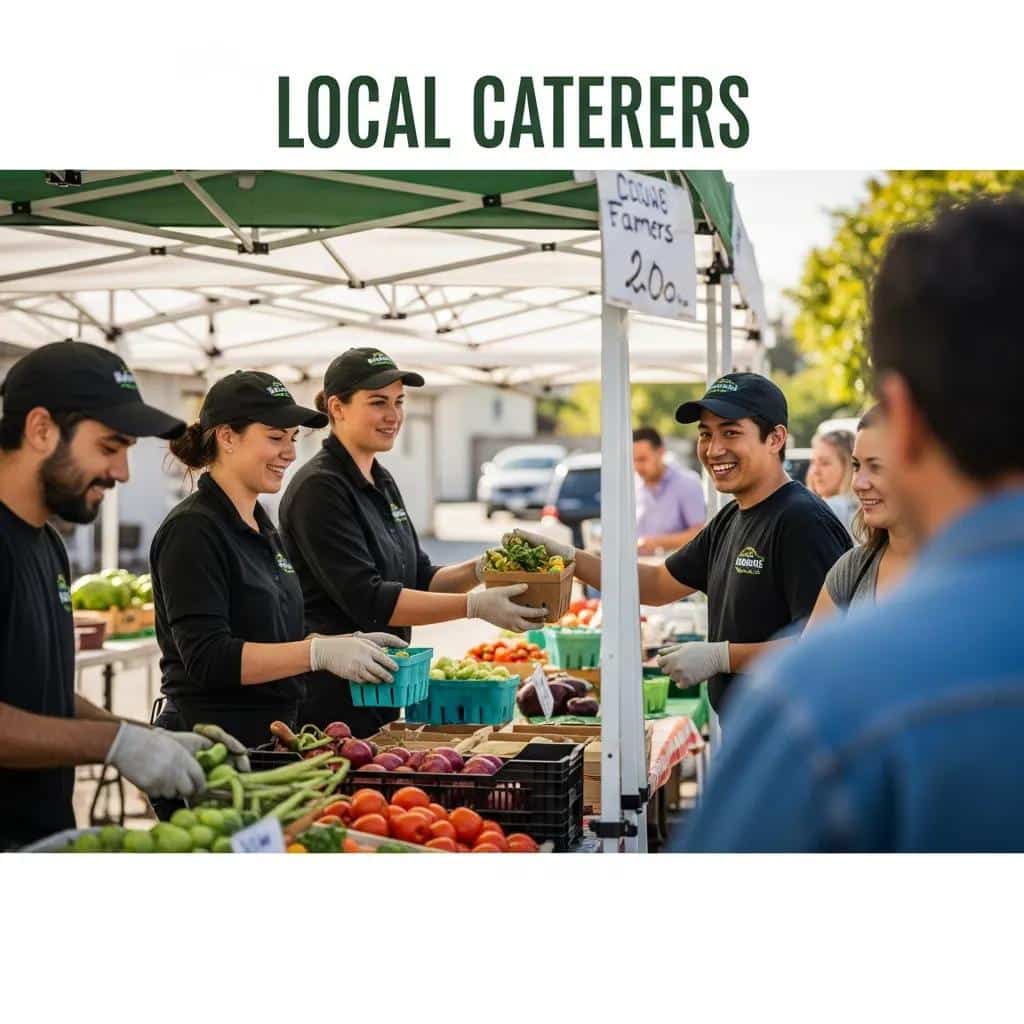
When you hire a local caterer, more of your event budget stays in Humboldt County—through wages, farm purchases, and services. That ripple effect helps small producers stay in business, supports seasonal agriculture, and keeps payroll and taxes within the community. Over time those relationships give caterers access to specialty produce, local proteins, and house-made condiments that make menus stand out. Local partnerships also let caterers offer seasonally driven dishes and take part in community events, strengthening regional identity.
Choosing local also shortens supply chains and lowers transportation emissions, which ties into the reliability and sustainability practices we describe later.
Why Are Fresh, Locally Sourced Ingredients Better for Your Event?
Locally sourced ingredients taste brighter—think punchy salsas, tender proteins, and tortillas that hold up during service—because they spend less time in transit and are used closer to harvest. Shorter transport reduces temperature fluctuations and makes large-batch prep more predictable from a food‑safety standpoint. Local produce also allows seasonal menus that highlight regional flavors and give caterers flexibility to match dishes to your event date and guest preferences. Those quality gains show up in guest feedback and plate clearance, so ingredient sourcing is a high-impact decision for planners.
With those benefits clear, the next section shows how one Eureka caterer puts these strengths into practice for Mexican events.
How Does Esmeralda’s 2.0 Offer Authentic Mexican Catering in Eureka?
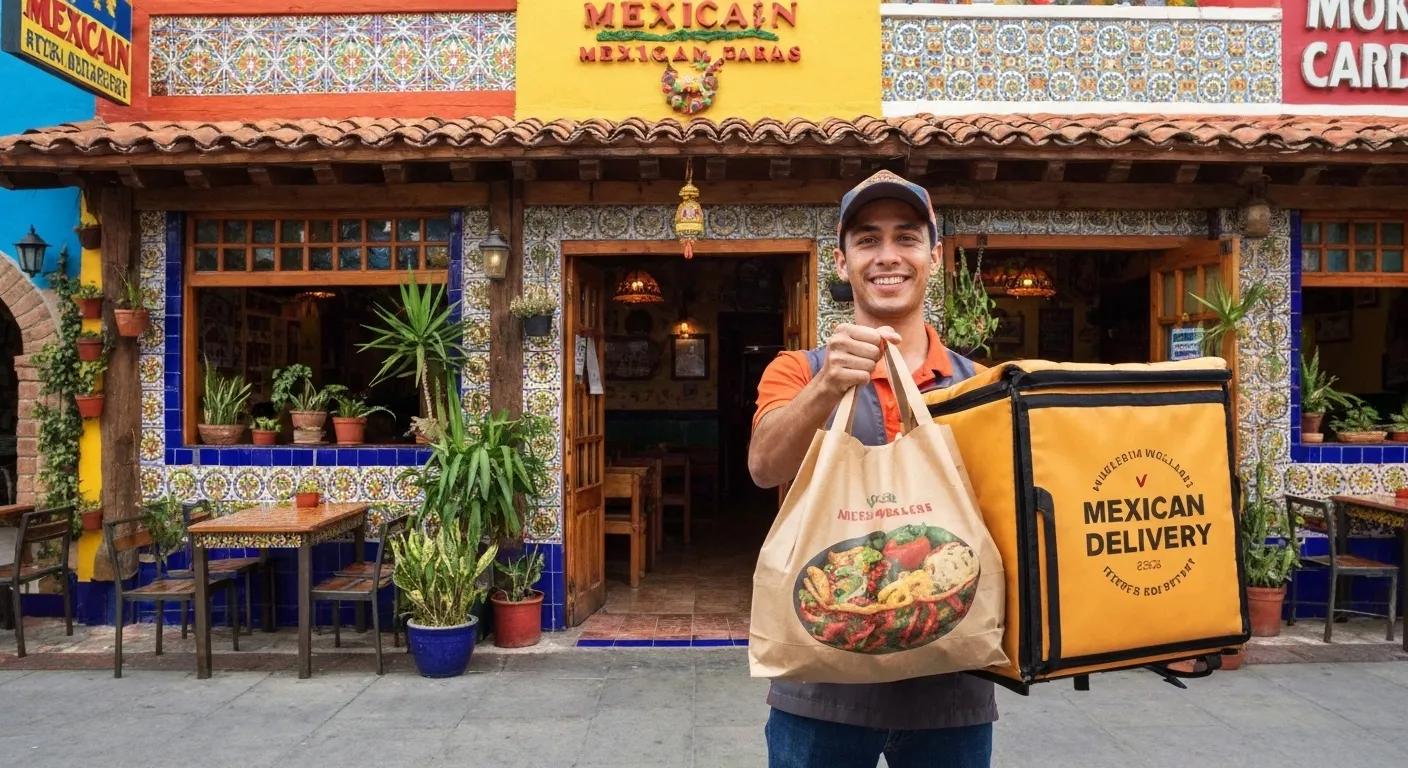
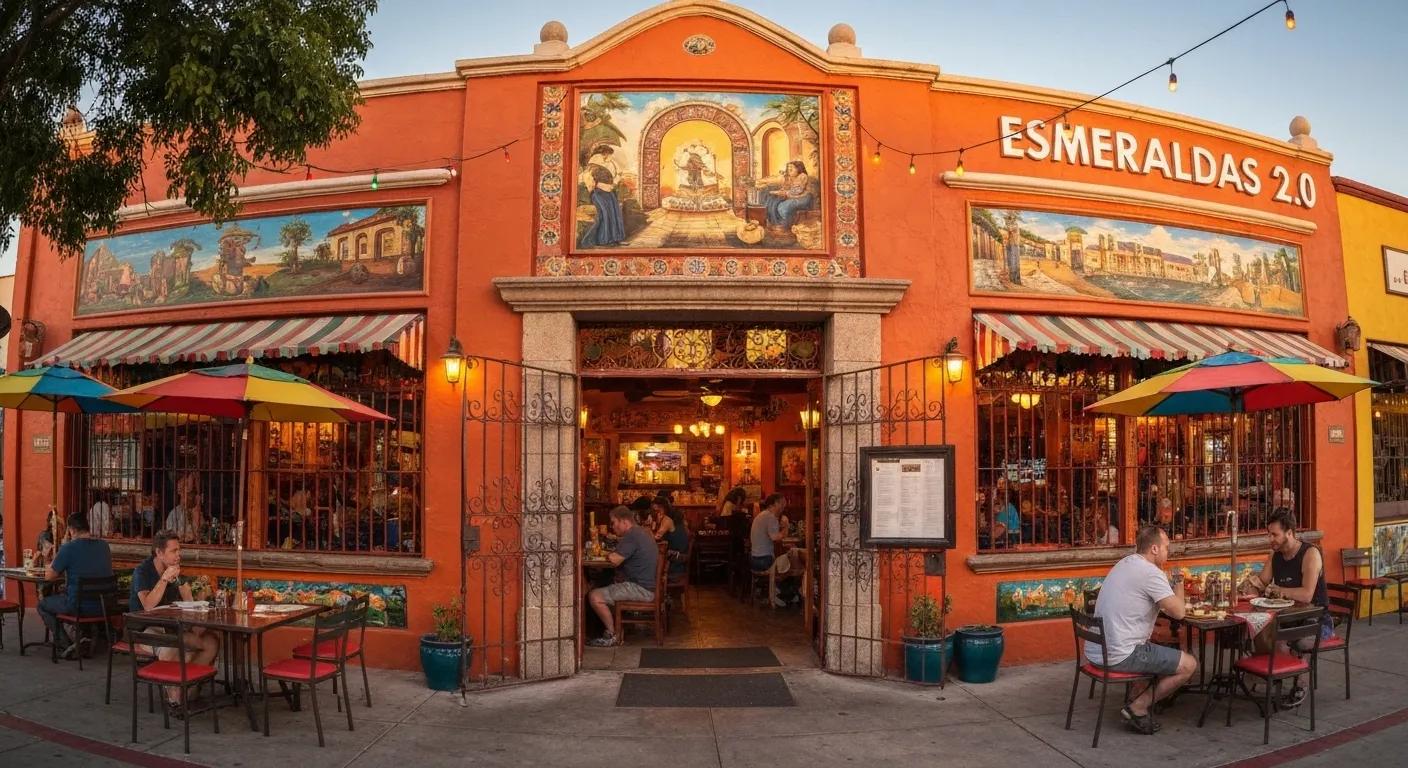
Esmeralda’s 2.0 brings family recipes and scratch cooking to events across Eureka and Humboldt County, blending traditional techniques with service options that scale. They focus on handmade elements—fresh salsas, hand-pressed tortillas, and carefully seasoned proteins—and menu formats that work for intimate gatherings or larger corporate functions. Service styles range from interactive stations to buffets that keep food fresh while letting guests customize plates. Their logistics emphasize local delivery, dependable setup, and attentive service across the city, which reduces timing headaches common with distant providers.
Below is a quick-reference table of common package types and best-fit events to help planners pick the right format.
This table helps align package format with guest expectations and shows how scratch-made elements suit different event styles.
What sets Esmeralda’s 2.0 apart is the focus on family recipes, fresh preparations, and reliable local service. Those choices make them a strong partner for planners who want real Mexican flavor and a team that can tweak menus, timing, and presentation to match an event’s tone. If you’re ready to move from planning to booking, Esmeralda’s 2.0 offers online ordering, a dedicated catering menu, and direct consultation by phone or email to speed up quotes and menu customization.
Next we contrast these local strengths with typical national chain practices and explain why authenticity matters for event results.
What Makes Esmeralda’s 2.0’s Mexican Catering Stand Out from National Chains?
Esmeralda’s 2.0 builds dishes from scratch using family recipes, while national chains often rely on standardized ingredients and centralized prep. That local kitchen model lets Esmeralda’s tailor menus, make last‑minute adjustments, and prepare a wider range of protein or vegetarian options to order—improvements that raise guest satisfaction at weddings and corporate events. Local sourcing produces fresher salsas and better-textured tortillas, and on-site setup helps with temperature control and presentation. Those service traits create more memorable meals and fewer logistical compromises than one-size-fits-all chain packages.
That comparison leads naturally into the specific package options and how to choose for different event types.
Which Catering Options Does Esmeralda’s 2.0 Provide for Weddings, Corporate, and Parties?
Esmeralda’s 2.0 offers scalable solutions for weddings, corporate events, and private parties with flexible formats and menu customization. For weddings they recommend buffet or plated services that emphasize family-style authenticity; corporate clients often pick boxed or plated luncheons for convenience and polish. Party hosts frequently choose interactive taco bars or buffet feasts to encourage guest engagement and variety. Each option includes coordinated setup and service timing, with portioning and add-ons adjusted to your final guest count.
The quick-reference table above helps match event type to service format. Next we explore common limits of national chain catering and why local providers are often the better choice.
What Are the Limitations of National Chain Catering Compared to Local Services?
National chains typically use standardized menus, centralized buying, and fixed packages that limit customization and responsiveness. They often present set tiers with strict minimums and few substitution options, which can leave menus that don’t match local tastes or guest dietary needs. Those operational limits raise the chance of unsatisfied guests—especially at events where cultural authenticity or presentation matter. Chains may also add fees that make budgeting less transparent.
Knowing these limitations helps planners ask the right questions when comparing large providers to local caterers.
Common operational limitations of national chains include:
- Rigid menu tiers that restrict creative or culturally specific choices.
- Inflexible service terms—strict minimums and limited on-site personalization.
- Centralized logistics that can extend delivery times and cut local sourcing.
- Hidden or add-on fees that complicate true cost comparisons.
Spotting these limits shows why direct communication and menu tastings matter when hiring a caterer for an important event.
How Do National Chains Lack Flexibility and Personalization?
Chains run on repeatable systems designed for scale, which often means limited ability to absorb last-minute or event-specific requests. If planners need menu swaps for allergies, culturally specific dishes, or unique presentation, chains may charge extra or be unable to comply. On-site personalization—like live assembly stations or custom plating—is often restricted by corporate staffing rules. That lack of flexibility can lead to less engaging guest experiences and more coordination work for planners.
By contrast, local caterers can pivot quickly and collaborate closely—an advantage we highlight when discussing sourcing and community support.
Why Might National Chains Use Less Fresh Ingredients and Offer Less Community Support?
National chains centralize procurement to shave costs, which can reduce reliance on nearby suppliers and extend transport times. That approach favors consistency over locality and often results in blander, more generic flavors—especially when events call for authentic cuisine. Revenue from chain orders also tends to flow out of the local area, so chains contribute less directly to community businesses and partnerships. That disconnect limits opportunities for planners who want distinct menus and community-oriented vendors.
These supply-chain effects set the stage for how local caterers handle dietary needs and inclusive menus more effectively than many chains.
How Can Local Catering Accommodate Dietary Needs Better Than National Chains?
Local caterers can tailor menus around individual dietary needs through direct consultation, tastings, and controlled prep procedures to lower cross-contact risks. Because local kitchens often control purchasing and cooking, they can swap in certified gluten-free tortillas, plant-based proteins, or nut-free desserts while keeping strong flavors. Open communication allows planners to list guest restrictions, request labeled servings, and schedule tastings before event day. That consultative model reduces uncertainty and raises the chance every guest has a safe, satisfying meal.
Below are concrete examples and a short checklist planners can use when evaluating caterers for special diets.
Local caterers accommodate special diets through practical measures:
- Ingredient swaps and alternative preparations that preserve texture and flavor while meeting restrictions.
- Clear labeling and separated plating to minimize cross-contact and help guests identify safe options.
- Consultations and tastings to confirm choices before the event.
- Flexible portioning and separate service lines for attendees with specific needs.
These steps show how personalization improves inclusivity and the guest experience.
What Customization Options Are Available for Special Diets in Eureka Catering?
Common options include swapping wheat tortillas for certified gluten-free alternatives, offering seasoned jackfruit or grilled vegetables as plant-based proteins, and preparing nut‑free desserts using separate equipment. Local caterers can often provide kosher‑style or dairy‑free preparations by setting aside dedicated prep areas and labeling items during service. The usual process is inquiry → consultation → tasting → final menu approval, which gives planners confidence that guest needs are met in advance.
With these options clear, the next subsection explains how local caterers scale inclusive menus for larger events.
How Do Local Caterers Like Esmeralda’s 2.0 Ensure Inclusive Menus?
Esmeralda’s 2.0 follows a consultative workflow that starts with a menu questionnaire, moves to tasting, and finishes with clear labeling so dietary needs are honored at service. Their team discusses cross-contact avoidance, uses separate prep when required, and marks foods visibly so guests can find safe choices quickly. Sample inclusive items include gluten‑free tortillas, vegetarian protein bowls, and clearly labeled condiments and sides. Planners are invited to request a custom quote or consultation to confirm accommodations and finalize a menu that fits guest needs.
This practical approach reduces risk and improves accessibility compared with many large-scale providers, and it naturally leads into cost comparisons that include customization and hidden fees.
How Does the Cost of Local Catering Compare to National Chains in Eureka, CA?
Compare costs by looking at per-head transparency, what services are included, and where hidden fees may appear. Local caterers usually provide clear, line-item pricing that spells out whether delivery, setup, staffing, and cleanup are included. Chains may advertise a lower base price but tack on mandatory service charges, travel fees for venues outside a set radius, or extra costs for labor-intensive setups—those add-ons can balloon the final invoice. When planners factor in taste, reduced waste, and fewer logistics surprises, local catering often delivers higher overall value even if base prices look similar.
Below is a simple comparison showing typical attributes and where hidden costs can surface to help planners make fair comparisons.
This comparison shows that headline savings from chains can be offset by extra charges and limited flexibility; always request a full landed-cost breakdown.
What Are the Hidden Costs Often Found in National Chain Catering?
Hidden costs can include mandatory service fees, travel surcharges for venues outside a delivery radius, extra charges for on-site staff, setup and cleanup fees, and embedded administrative or gratuity charges. Minimum-order penalties may force package upgrades, and the absence of included serviceware can lead to rental costs. These add-ons create budgeting uncertainty and may make chain quotes pricier than they first appear. A transparent local bid with clear inclusions lowers the chance of surprise expenses.
Knowing where these fees hide helps planners ask for clearer estimates and compare total cost rather than headline per-head prices.
Why Is Local Catering a Cost-Effective Choice for Corporate and Social Events?
Local catering can save money when you value fewer surprises, better guest satisfaction, and a menu that matches your event goals. Savings come from shorter delivery distances, fewer travel surcharges, and portioning that reduces waste. Better-tasting food also supports stronger event outcomes—which matters for brand-facing corporate events and reputation-sensitive gatherings like weddings. When you prioritize total value—taste, reliability, and clear pricing—local catering often outperforms chains in real-world ROI.
That cost-value view ties into trends that amplify local strengths, such as interactive stations and sustainability practices, discussed next.
What Trends Are Shaping the Future of Catering in Eureka and Humboldt County?
In 2024, catering trends favor experiential formats like interactive taco bars, more plant-based menu options, and sustainability measures such as compostable packaging and local sourcing. Guests expect choice and engagement, which drives demand for build‑your‑own stations and health-forward proteins. Sustainability—from portion control to cutting single-use plastics—is influencing menu design and vendor selection in environmentally conscious Humboldt County. These trends benefit local caterers who can quickly rotate seasonal menus and adopt greener practices compared with larger chains.
Next we explain how interactive stations work and why sustainability matters for operations and reputation.
Interactive and sustainability trends include:
- Taco bars and build‑your‑own stations that increase engagement and cut perceived waste.
- Growth in plant‑based and health-forward options to match guest preferences.
- Use of compostable serviceware and local procurement to lower carbon footprint.
These trends show why local caterers are well-positioned to innovate and meet modern event expectations.
How Are Interactive Food Stations Like Taco Bars Enhancing Local Catering Experiences?
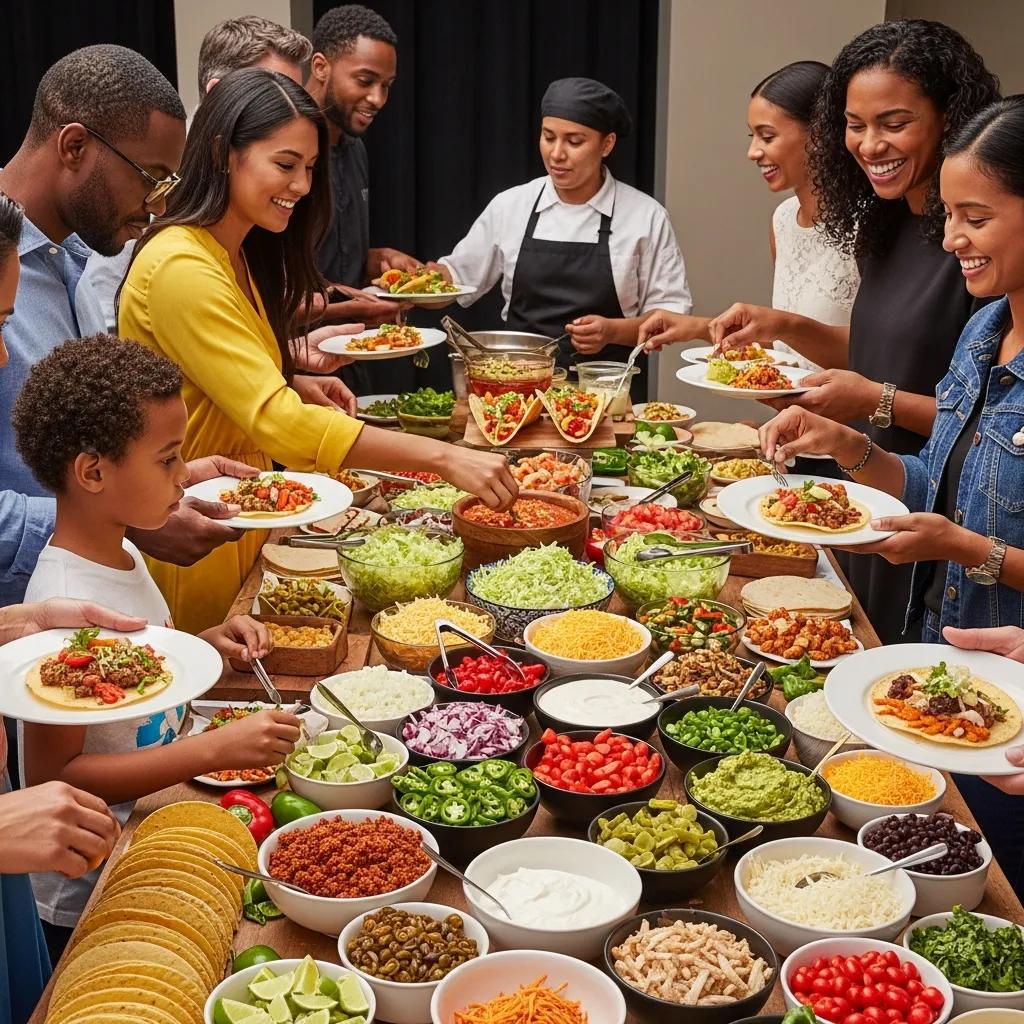
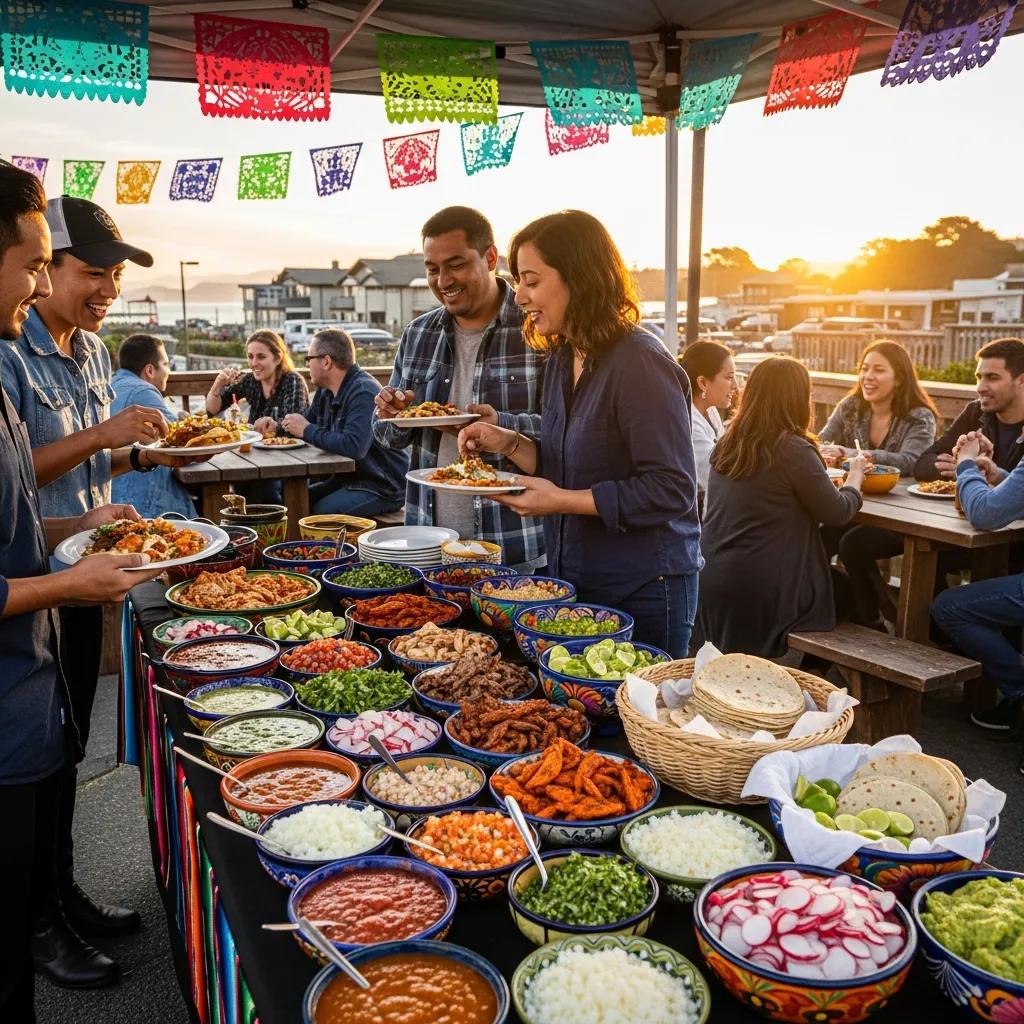
Interactive taco bars make events memorable by combining customization with live assembly—guests get food made to their liking, which boosts perceived freshness and reduces plate waste. Staff can keep an eye on replenishment so quality stays high during long service windows. For corporate events they speed flow and offer variety; for weddings they become a social focal point. Staffing scales easily for local caterers, making taco bars a flexible, high-engagement choice that pairs well with authentic Mexican flavors.
Understanding how stations work brings us to sustainability practices that make event service greener and more community-friendly.
Why Is Sustainability Important in Local Catering Services?
Sustainability cuts environmental impact and can lower costs through less waste and shorter supply chains, strengthening the business case for regional caterers. Composting scraps, using compostable or reusable serviceware, and buying from nearby farms all reduce transport emissions and support local circular systems. Sustainable operations also appeal to clients and guests who care about responsible procurement, improving the host’s brand perception. Working with local suppliers and waste-collection services further embeds caterers in the regional ecosystem.
These commitments reinforce a local caterer’s ability to deliver authentic, responsible, and high-quality catering—qualities many events now prioritize.
Esmeralda’s 2.0 and other local providers in Eureka are already responding to these trends with interactive formats and seasonally sourced menus.
If you’re ready to move from evaluation to booking, Esmeralda’s 2.0 offers straightforward, local-first catering options and easy booking pathways. To request a personalized quote or discuss menu customization for weddings, corporate events, or private parties, contact the catering team by phone or email; they also provide online ordering and a dedicated catering menu to simplify planning. Choosing a local Mexican caterer in Eureka delivers fresher, more authentic food and flexible service while supporting the Humboldt County economy and current trends in engagement and sustainability.
Frequently Asked Questions
1. How can I ensure my event’s dietary restrictions are accommodated by local caterers?
Local caterers like Esmeralda’s 2.0 use a consultative approach: a short questionnaire, a tasting if needed, and a clear plan for labeling and cross-contact prevention. They can swap ingredients—gluten‑free tortillas, vegan proteins, nut‑free desserts—and confirm procedures so dietary needs are honored on event day.
2. What types of events are best suited for local Mexican catering?
Local Mexican catering works well for weddings, corporate luncheons, and private parties. Buffets or plated services fit weddings that want family-style authenticity; boxed or plated lunches suit corporate meetings; and interactive taco bars are ideal for parties that want a fun, hands-on dining experience.
3. How do local caterers maintain food safety and quality during events?
Local caterers prioritize food safety by sourcing fresh local ingredients, controlling prep steps, and following strict handling rules—temperature control during service and separate prep areas for allergen-free items. Those practices help keep food safe and high-quality throughout the event.
4. What are the environmental benefits of choosing local catering services?
Local catering reduces transportation emissions, supports seasonal produce, and makes composting or recycling easier. Many local providers use compostable or reusable serviceware and partner with area farms and waste services, which lowers the event’s environmental footprint.
5. How do local caterers handle last-minute changes or requests?
Local caterers tend to be more flexible than chains. Close supplier relationships and hands-on kitchen teams allow them to absorb changes quickly—whether adjusting guest counts or accommodating a last-minute dietary request—so planners face less stress on event day.
6. What should I consider when comparing local caterers to national chains?
Look at menu flexibility, ingredient quality, and pricing transparency. Local caterers usually offer custom menus, fresher ingredients, and clearer line-item pricing, while national chains may limit substitutions and add hidden fees. Also evaluate each caterer’s ability to handle dietary restrictions and their sustainability commitments.
7. Are there any specific trends in local catering that I should be aware of?
Key trends include interactive stations like taco bars, more plant-based and health-forward options, and wider use of compostable packaging. These trends emphasize experience, choice, and environmental responsibility—areas where local caterers can move quickly to meet client needs.
Conclusion
Choosing local Mexican catering in Eureka brings tastier, more authentic food and supports the community. With personalized service, fresh ingredients, and flexible options, local teams like Esmeralda’s 2.0 deliver experiences that national chains often can’t match. When you prioritize quality, transparency, and sustainability, you create a memorable meal and a smoother event. Contact Esmeralda’s 2.0 to explore tailored catering solutions for your next gathering.